American Frog Day
American Frog Day has no fixed date, no official proclamation and no greeting cards. This year the holiday sites list October 21, but the honest answer is that it lands wherever the organizers decide to hold it. I like that. A celebration that wanders the country like a touring band suits an animal that splits its life between water and land and refuses to pick a side.
It began in 1995 in San Jose, California, when a hobbyist named Chuck Powell and his family hosted a gathering for people who kept poison dart frogs. Breeders traded tips, sold supplies and swapped animals. Powell kept hosting for about ten years, and the event turned into a traveling weekend that has landed in a Staten Island hotel in 2007 and a Chicago airport hotel in 2012. The guest list stretched from dart frog obsessives to scientists and conservationists, and the subject stretched from one family of frogs to every amphibian that can live in a terrarium.
A quick clarification, since the internet loves to blur things.
Save The Frogs Day, held every April since 2009, is a separate conservation event. American Frog Day is older and scrappier, born in a hobby room rather than a campaign office. Both deserve attention. I just think the origin story says something true: people who spend time close to frogs tend to start caring about them.
It also helps to know how big the family is. There are more than 8,750 amphibian species on the planet, and over 88 percent of them are frogs, so a frog is the default amphibian, not the oddity. They live on every continent except Antarctica. The size range is silly: one New Guinea species is under a centimeter long, while the goliath frog of Cameroon can top three kilograms.
The unglamorous work
A frog is a pest control service that never sends an invoice. Adults eat huge numbers of insects, including mosquitoes that carry disease and aphids that wreck crops. Turn that around and the frog is dinner for snakes, herons, fish, dragonflies and, in some forests, monkeys. Eating and being eaten at the same time makes frogs a hinge in the food web, and when a hinge goes, the door hangs wrong. Insects boom. Predators that counted on frogs go hungry. Tadpoles chip in by grazing algae in ponds and streams, and some advocates say they help keep water clean, though that is the claim I would hold most loosely.
The bigger job is as an alarm system. A frog’s skin is thin and permeable, and it takes in moisture and some oxygen straight through it. Most species also live in two worlds, hatching in water and growing up on land, so they soak up whatever is wrong with both. Pesticide runoff, a warming pond, a new pathogen: frogs register it early. When a wetland goes quiet in spring, that silence is information, and it rarely means the problem stops at the frogs.

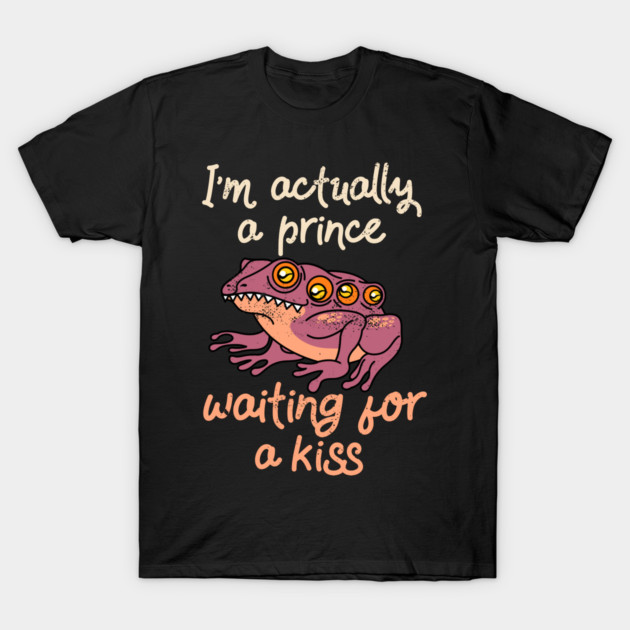
Be Hoppy Cute Frog Pun Cottagecore Aesthetic Frog T-Shirt
Where the numbers get ugly
This is where I stop being cheerful. About 41 percent of amphibian species face extinction, a worse record than mammals, at roughly a quarter, or birds, at about an eighth. Over the past fifty years a skin fungus called chytrid has driven declines in more than 500 species and wiped out around 90. Climate change is now the biggest push toward the edge for species that slipped closer to extinction since 2004, with habitat loss grinding along behind it. And while amphibians make up about a quarter of all threatened vertebrates, they receive 3.4 percent of global conservation funding. Birds get the posters and the galas. Frogs get a rounding error.
Part of the problem, I suspect, is branding
Frogs are damp, they have no fur, and they cannot look at us with big sad eyes. It is a hard sell next to a panda. But cuteness is a lousy way to decide what survives.
There is some good news, and I will take it. Roughly one in eight of the declining species in the chytrid data have shown signs of recovery, and in Panama some frogs have learned to live alongside the fungus. That is not a rescue, but it is proof the story is not finished.
How frogs got into our lives

Funny Halloween Frog Witch Broomstick Pumpkin Bat Cute Broom T-Shirt
Humans have been recruiting frogs for a long time. In the mid twentieth century the African clawed frog became the basis for a pregnancy test, and a figure that circulates often says about a tenth of Nobel Prizes in physiology or medicine involved frog research somewhere. I can’t vouch for the exact count, but the direction is believable. Frog eggs are big, easy to watch and tough, which made them a favorite of embryologists.
Folklore got there first, of course. Across many cultures the frog stands for transformation, fertility and rebirth, and the European fairy tale gave us the idea that you have to kiss a few of them before something good turns up.
Then came felt. In 1955 a college freshman named Jim Henson built a puppet from his mother’s old spring coat, with ping-pong ball halves for eyes. It looked more like a lizard than a frog, and by the mid-sixties Kermit was firmly amphibian. His design has barely changed since 1973, and the Smithsonian holds the original. What Kermit gave us was a template: the frog as a gentle, frazzled professional trying to run a theater while chaos eats the stage. Other frogs followed or ran alongside him. Michigan J. Frog belted out ragtime in a Looney Tunes short, Keroppi turned up on Sanrio stationery, Frogger dodged traffic and Tiana ran a restaurant in a Disney bayou. Pepe, born in a 2005 indie comic and dragged through internet politics he never signed up for, proves that frogs can be turned into anything, including a mess.
Pets came from the same pull. Poison dart frogs are the gateway animal: small, jewel-bright, active in daylight instead of hiding under a log. In captivity they are harmless, since their toxins come from the wild insects they eat. Pacman frogs and White’s tree frogs fill out the tables at reptile expos. There is a catch, though. Over-harvesting for the pet and food trades is on the list of things pushing wild frogs down. Captive breeding, which the Frog Day crowd has championed since the nineties, eases that pressure, so if you are buying, buy captive-bred and ask where the animal came from.
And then the fans. Frog people are a real tribek
With forum threads about substrate and moss, builders who treat a twenty-gallon tank like a tiny rainforest to be designed down to the last bromeliad, kids with plush frogs and adults with frog mugs. A Frog Day weekend is a trade show where the merchandise occasionally chirps, and the lectures sit next to benefit auctions that raise money for amphibian conservation groups.If you want to celebrate without buying a ticket, wait for spring. Find a pond, go after dark, stand still for ten minutes and listen. A loud pond is a decent sign. A silent one is worth a call to your local wildlife agency.
Citations
Days of the Year, National Today and Hepper: American Frog Day history and the 2026 date listing
Save The Frogs!: Save The Frogs Day history; “Why Frogs Are Important”
Smithsonian Magazine: “Amphibians Are in Decline Across the Globe”
Amphibian Ark: “The Crisis” and “The Importance of Amphibians”
University of Maryland news release: chytrid fungus and 500+ declining species
Artensterben.de: amphibian crisis study and the 3.4 percent funding figure
Smithsonian National Museum of American History: original Kermit puppet
Open Culture, Looper and the Muppet Wiki: Kermit and Sam and Friends
Kingsnake.com and Arachnoboards forum posts: past American Frog Day events (2007, 2012)


Read more interesting stories

National Slap Your Coworker Day

Celebration of the Mind Day. A Day for the Mind You Actually Live In

Medical Assistant Day. The Person Who Calls Your Name